How dormakaba brought Agile Release Trains across three continents into one rhythm
Scaling Agile within an international engineering organisation is rarely just about adopting a framework. Particularly in organisations where hardware, software and mechanical engineering come together, change is above all about alignment — across teams, leadership, planning cycles and product strategy.
When dormakaba decided to roll out SAFe more broadly across its global product development organisation, the challenge was not just adoption — it was above all synchronisation.
Working with Connected Movement, dormakaba chose a coordinated, global launch of multiple Agile Release Trains (ARTs). Teams across Europe, North America and Asia started working in the same cadence simultaneously.
From different ways of working to a single development cadence
dormakaba had been working with SAFe in parts of the organisation since 2017. Some Agile Release Trains were running successfully, while other teams were still operating from traditional project structures or individual Scrum teams.
As engineering disciplines became more globally organised, those differences increasingly created friction. Teams were working with different terminology, planning approaches and roadmap processes. Whenever collaboration crossed national, product group or discipline boundaries, alignment became genuinely complex.
The next step became clear: align the product development organisation around a single, shared way of working.
Why dormakaba chose a global launch
A key strategic decision was how the change would be introduced.
Rather than a phased regional rollout, dormakaba deliberately chose a synchronised global launch. That decision was rooted in the reality of the organisation itself. Many teams were already international in composition, with engineers collaborating daily across Europe, North America and Asia.
A regional implementation would have meant parts of the same teams temporarily operating in different ways. That would only have added further complexity.
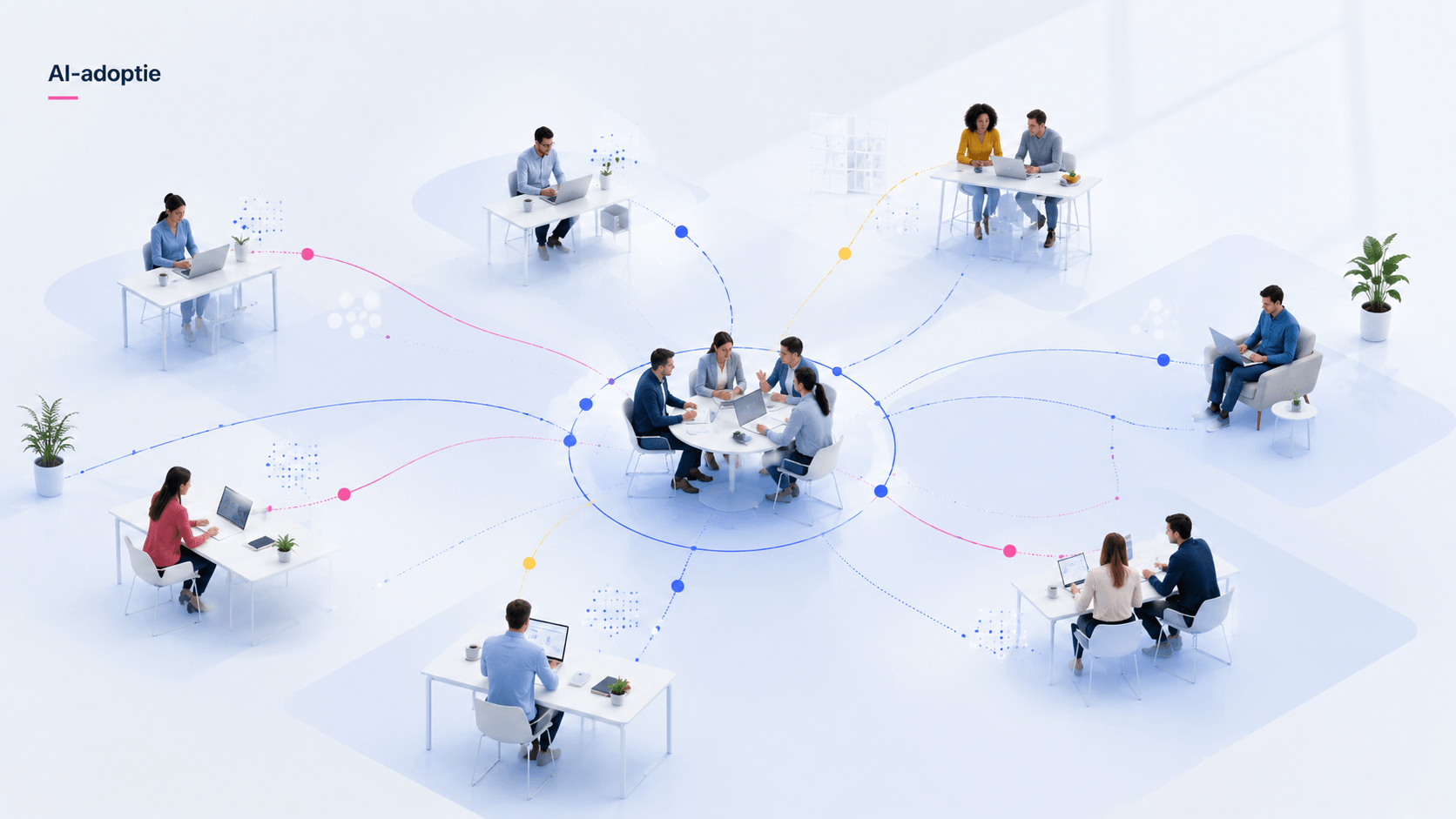
All new Agile Release Trains were therefore launched simultaneously and brought into the same cadence. From that point on, teams worldwide operated within the same Planning Interval rhythm, with priorities jointly aligned between Product Management, Business Owners and engineering teams.
The result was a global development organisation that was, quite literally, working in the same rhythm.
Preparing for change at scale
Preparing for this change was a substantial undertaking.
Within the organisation, some teams had decades of experience in traditional engineering and waterfall project models. Others already had Agile experience, but not yet within a large-scale SAFe environment.
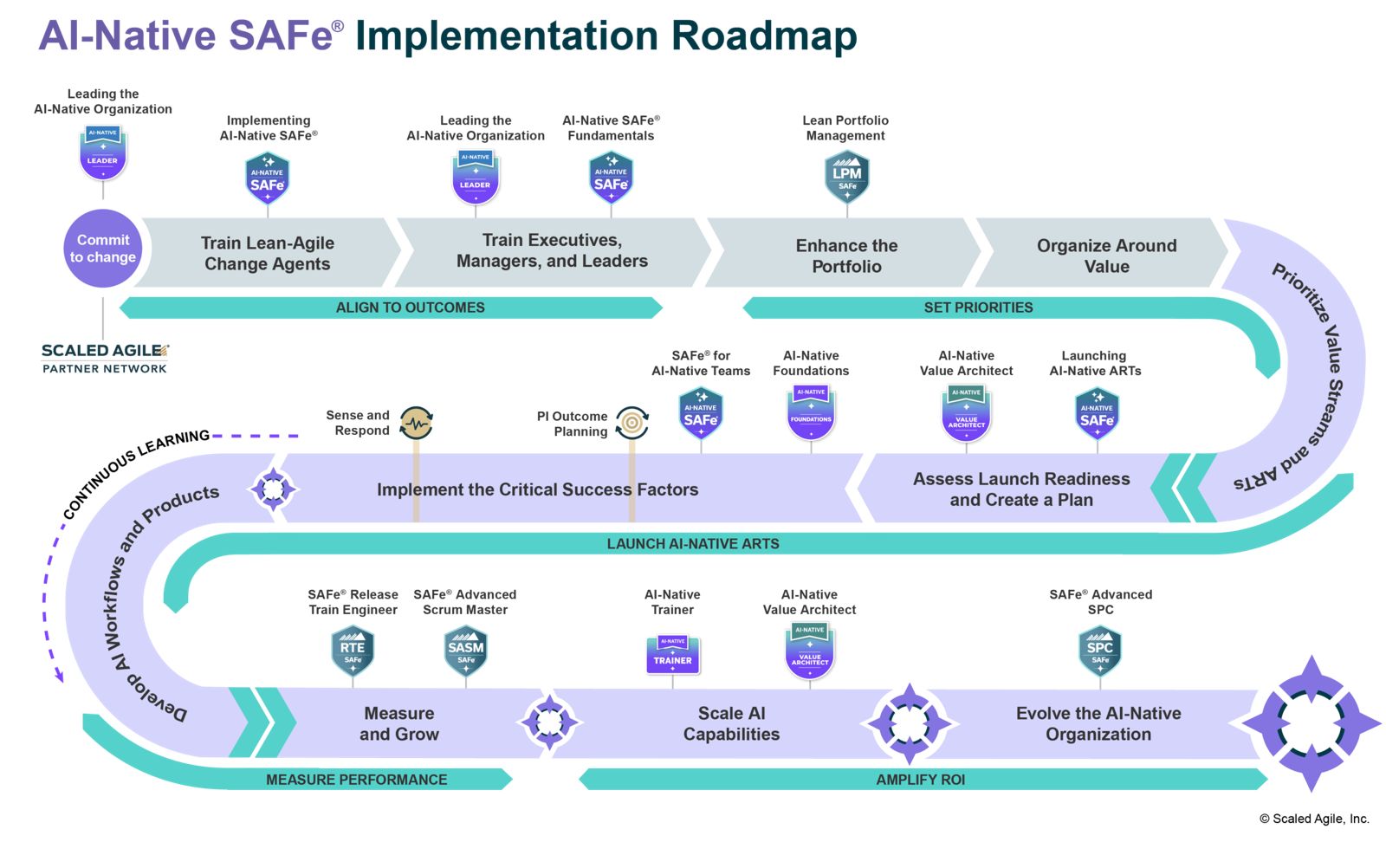
To support the transformation, dormakaba set up two separate structures:
- a Guiding Team for strategic direction and leadership alignment
- a Driving Team for operational guidance and support to teams during the transition
These teams helped translate the transformation vision into concrete steps for the organisation. This created greater clarity around roles, expectations and preparation for the first PI Planning events.
Global training across three continents
To prepare the organisation, dormakaba worked with Connected Movement, a SAFe Platinum Partner with extensive experience in large-scale Agile transformations.
A global training programme was set up in a short space of time to support the rollout.
Around 180 professionals were trained across seven locations spread across North America, Europe and Asia. dormakaba deliberately chose face-to-face training rather than fully remote sessions.
Bringing teams together in person helped build shared understanding more quickly, strengthen working relationships and create momentum ahead of the first joint PI Planning events.
This intensive preparation made it possible to launch multiple Agile Release Trains simultaneously.
Early results: greater transparency and better alignment
Shortly after the launch, teams began to notice clear changes.
One of the most visible improvements was the increase in transparency. Work, dependencies and priorities became visible across teams and ARTs, allowing conversations about capacity and planning to take place much earlier.
Teams also reported greater clarity about what actually needed to be delivered within a Planning Interval.
Collaboration between engineering and Product Management also changed noticeably. Hardware and mechanical engineering teams became involved in roadmap conversations and product decisions earlier. This allowed engineering activities to align more closely with product strategy and market priorities.
Building Lean-Agile on existing engineering strengths
Interestingly, many Lean-Agile principles aligned well with existing engineering practices within dormakaba.
Mechanical engineering teams, for example, were already accustomed to exploring multiple design options in parallel using modelling and 3D printing before committing to a final choice. This approach closely mirrors the Lean-Agile principle of exploring multiple alternatives before taking irreversible decisions.
This allowed the organisation to modernise its development model without losing the benefit of existing technical expertise and engineering capability.
Leadership as a critical success factor
At a change of this scale, leadership plays a crucial role.
Within dormakaba, clear leadership alignment proved essential for bringing teams along and helping them understand the reasons behind the change. Transparent communication about new roles, responsibilities and ways of collaborating helped build trust throughout the transformation.
Transparency also proved important. Organisational changes shift responsibilities and influence. Communicating openly about this helped maintain engagement, even during difficult periods of the change.
A continuously improving organisation
Today, dormakaba continues to develop and evolve its SAFe implementation.
The shared cadence between Agile Release Trains remains a key foundation for global collaboration and dependency management. At the same time, the organisation continues to work on further optimisation — for example around the right balance of ART size, reducing dependencies and collaborating across time zones that can differ by more than fourteen hours.
As with any Lean-Agile organisation, the transformation is not seen as an end point, but as a continuous process of learning and improvement.
What other international organisations can learn from this
The dormakaba case shows that global synchronisation becomes achievable when leadership, practical experience and a clear change strategy come together.
Launching multiple Agile Release Trains across different continents simultaneously is complex. But when organisations succeed in getting teams worldwide to work in the same cadence, it creates a strong foundation for transparency, alignment and the continuous delivery of value.
For international product organisations, synchronisation often proves just as important as the transformation itself.